Brain Health
How CaAKG Helps Protect Your Memory
A study in Aging Cell looked at CaAKG, synaptic signaling and autophagy in a mouse model. Here is what the researchers tested and what they found.
By Rejuvant Science Team7 min read
Table of Contents
Table of Contents
When we think about cognitive decline or diseases like Alzheimer’s, the conversation almost always centers on one thing: amyloid plaques. For decades, the dominant medical strategy has been to treat these sticky protein clusters as public enemy number one. The goal seemed obvious—develop drugs to clear the plaques out of the brain, and memory will return.
Unfortunately, real-world medicine has proven that the brain is far more complex. While massive amounts of money have been spent developing plaque-clearing treatments, the cognitive improvements seen in patients have often been modest at best. It turns out that simply clearing the debris off a broken communication line doesn't automatically restore the electrical signal or heal the cells underneath.
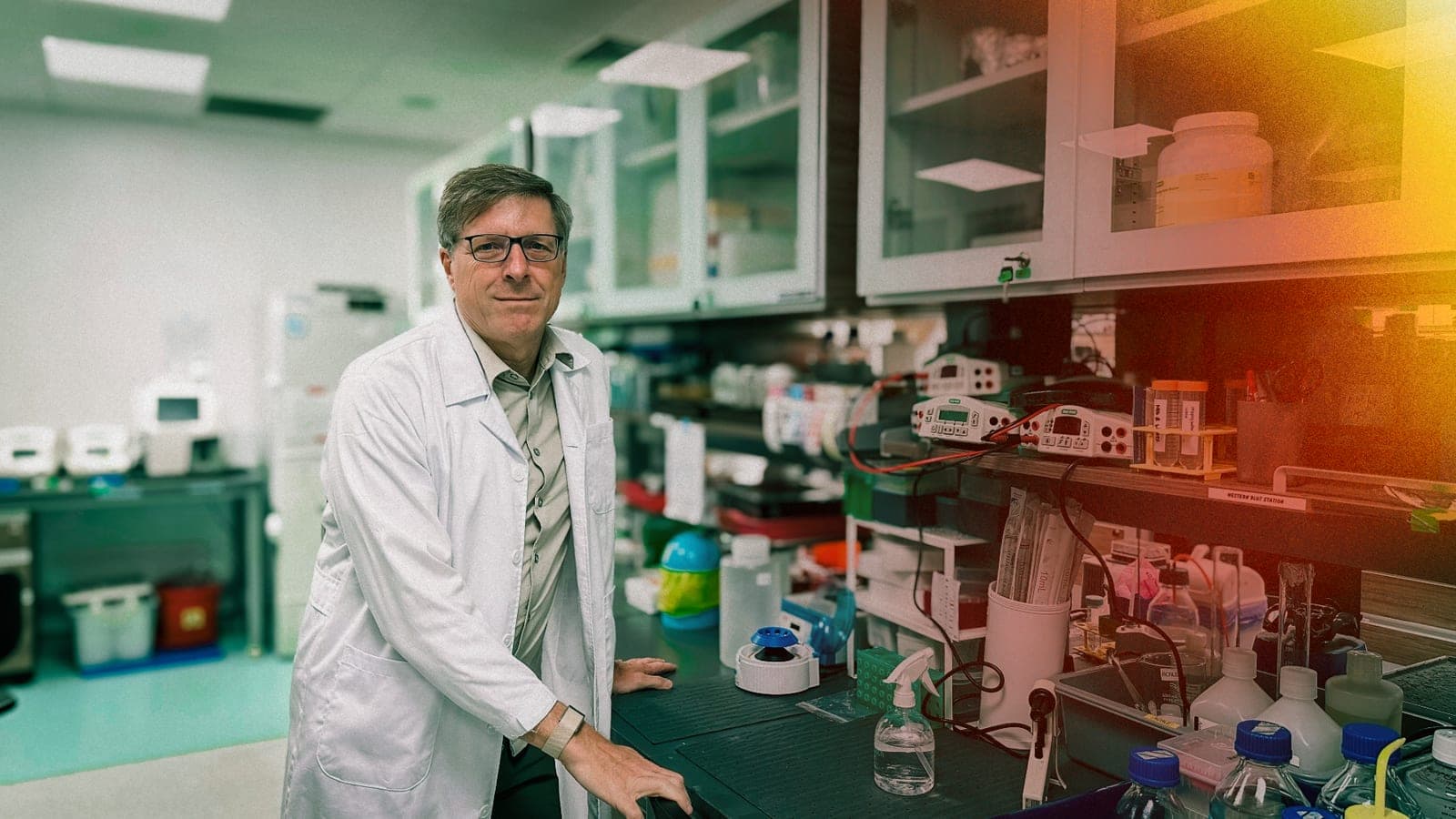
A fascinating study published in the journal Aging Cell by neuroscientists Dr. Sheeja Navakkode and global longevity pioneer Dr. Brian Kennedy (Chief Scientific Officer at Ponce De Leon Health) offers a completely fresh paradigm. Instead of focusing entirely on clearing away outer plaque, they looked at how to protect and optimize the brain's internal energy and messaging pathways.
The study reveals that Calcium Alpha-Ketoglutarate (CaAKG)—a natural molecule already famous in the longevity space for its ability to lower biological age—can actively step into a damaged brain circuit, bypass plaque roadblocks, and completely restore long-term memory signaling.
1. Reversing the Fading Spark of Long-Term Memory
To understand how memory breaks down, we have to look at the brain's baseline method for recording experiences, a process known as Long-Term Potentiation (LTP). Think of LTP as the physical strengthening of a connection between two brain cells inside the hippocampus—the brain's primary memory hub. When you learn something new or experience a meaningful event, your brain fires a steady, prolonged electrical signal across this gap, essentially writing that memory in permanent ink so you can recall it later.
In the study, the research team looked at this process using "Alzheimer's-model" (APP/PS1) mice, which are genetically engineered to overproduce human amyloid plaques.
When the researchers sent a strong learning pulse through healthy control tissues, the communication line remained strong, active, and highly charged for over four hours straight. But when they ran the exact same current through the plaque-heavy Alzheimer’s tissue, the signaling broke down and faded away after just 45 minutes. The circuit simply lacked the power to hold the connection open, explaining why new memories fail to stick as we age.
The Female Vulnerability Gap
The team also documented a striking difference in how this decline affects different sexes. Untreated female Alzheimer's tissues suffered a much steeper drop-off, showing significantly lower baseline electrical currents and a more aggressive breakdown of communication lines compared to the males. This directly mirrors human clinical data, which consistently shows that women face a higher risk and often a steeper trajectory of cognitive decline during the progression of brain aging.
However, when CaAKG was introduced directly to these failing circuits, it completely saved the line. In both male and female brain slices, CaAKG held the electrical communication steady and elevated for the full four hours of monitoring. Remarkably, the rescue effect was most pronounced in the female tissue, proving that providing the right molecular support can overcome steep genetic liabilities.
2. The Homerun Mechanism: Hotwiring a Secret Back Door
So, how exactly does a simple cellular metabolite pull off this rescue mission? This is where the study uncovered its most exciting breakthrough: CaAKG does not rely on fixing the pathways that the disease has already broken.
Under normal, healthy conditions, brain signals cross synapses through a primary gateway called the NMDA receptor. Think of the NMDA receptor as a major toll bridge on a busy highway. When a memory signal approaches, the bridge gate opens, allowing a vital surge of calcium to pour into the cell, which locks the memory into place.
The problem with Alzheimer’s is that soluble amyloid proteins act like a massive, multi-car pileup right at the entrance of that toll bridge. The bridge is completely blocked, calcium can’t get through, and the communication network goes dark.
Amyloid Plaque Accumulation
- Main NMDA Toll Bridge Blocked
- Signal Fails
CaAKG Supplementation
- Alternative L-Type Detour and Back-road AMPA Gates
- Restores Calcium
- Memory Held!
This is where CaAKG acts like a local driver who knows the back roads. It completely ignores the blocked NMDA bridge. Instead, it navigates a detour around the traffic jam, opening up alternative, overlooked structural pathways on the brain cell: L-Type Calcium Channels and AMPA receptors.
By opening these alternative doors, CaAKG routes the necessary calcium currents into the cell via a different path. To prove this, the scientists completely blocked the standard NMDA channels using heavy chemical inhibitors. Even with the primary highway totally shut down, CaAKG successfully kept the electrical signaling strong and steady. It was only when they blocked the alternative detour pathways that CaAKG’s rescue effect stopped.
3. Activating the Brain’s Internal Cleaning Crew
Beyond restoring electrical signals, a healthy brain requires a pristine internal environment. Brain cells are incredibly active, and like any high-performance system, they generate a lot of waste. If old, damaged proteins and metabolic debris are allowed to pile up, they cause intracellular traffic jams that stop cells from distributing the raw materials needed to build memories.
The body has a built-in waste management program called autophagy (literally, "self-eating"). It acts like an automated fleet of recycling trucks that cruise through your cells, scooping up cellular trash, chopping it down, and recycling it into fresh, useful components.
The study demonstrated that CaAKG directly stimulates a major surge in LC3-II, a prime biomarker indicating that your cell's recycling trucks are officially back online.
The Safety Advantage Over Rapamycin
To gauge the efficacy of this cleanup, the researchers compared CaAKG to rapamycin, a famous prescription longevity drug known for its powerful ability to turn on cellular self-cleaning.
While rapamycin did clear out the trash and restore memory lines in the diseased Alzheimer's tissues, it triggered a troubling side effect: when applied to normal, healthy tissues, rapamycin completely disabled their memory signaling. It behaved like a harsh industrial chemical cleaner—effective at clearing grease out of a ruined engine, but corrosive enough to melt the seals if poured into a smooth-running machine.
CaAKG achieved the cleanup without any of the collateral damage. It selectively boosted the recycling trucks inside the diseased cells while leaving healthy, normal connections running completely at baseline. This exceptional homeostatic safety profile makes it a compelling candidate for long-term preventive care.
4. Connecting the Dots: Linking Complex Memories Together
True cognitive health isn’t just about sending a single signal; it’s about our ability to form associative memories—the complex mental process that allows you to link separate events across time and space. This is the function that lets you connect a new face with a name, or recall where you parked your car based on what song was playing on the radio when you pulled in.
Neuroscientists study this cooperative network through a model called Synaptic Tagging and Capture (STC). Think of it like a group project inside your brain. If a weak event happens (a passing thought), it leaves a temporary "tag" on a synapse, but lacks the resources to become permanent. However, if a strong, important stimulus occurs nearby within a few hours, it triggers a wave of memory-building proteins. Because the synapses are linked, those shared proteins travel over and get captured by the tagged spot, transforming a minor, passing observation into a lifetime memory.
In advanced brain aging and Alzheimer’s models, this collaborative sharing network completely breaks down, isolating individual brain cells and leaving them unable to share memory proteins. CaAKG successfully repaired this entire bridge. By facilitating alternative calcium currents and optimizing protein recycling, it allowed remote synapses to talk and share resources again.
Conclusion: A Root-Cause Solution for Cognitive Longevity
The insights from the Navakkode & Kennedy (2025) study represent a fundamental shift in how we approach the aging mind. As we blow out more candles on our birthday cakes, our body's native production of alpha-ketoglutarate plummets, starving our brain of the exact fuel it needs to run its maintenance programs and maintain electrical integrity.
By delivering a targeted, highly bioavailable form of this metabolite, we aren't just trying to mask cognitive symptoms from the outside. We are supporting the brain's foundational energetic infrastructure—giving it the power to clear out internal sludge, bypass old roadblocks, and keep our memory lines running clear and sharp for the long road ahead.
References
- Navakkode, S., & Kennedy, B. K. (2025). Alpha-Ketoglutarate Ameliorates Synaptic Plasticity Deficits in APP/PS1 Mice Model of Alzheimer's Disease. Aging Cell, 24(11), e70235. doi.org/10.1111/acel.70235 (opens in a new tab)
- Gyanwali, B., Lim, Z. X., Soh, J., Lim, C., Guan, S. P., Goh, J., Maier, A. B., & Kennedy, B. K. (2022). Alpha-Ketoglutarate dietary supplementation to improve health in humans. Trends in Endocrinology & Metabolism, 33(2), 136–146. doi.org/10.1016/j.tem.2021.11.003 (opens in a new tab)
This article is for informational purposes only and is not medical advice. These statements have not been evaluated by the FDA. These products are not intended to diagnose, treat, cure or prevent any disease.